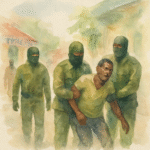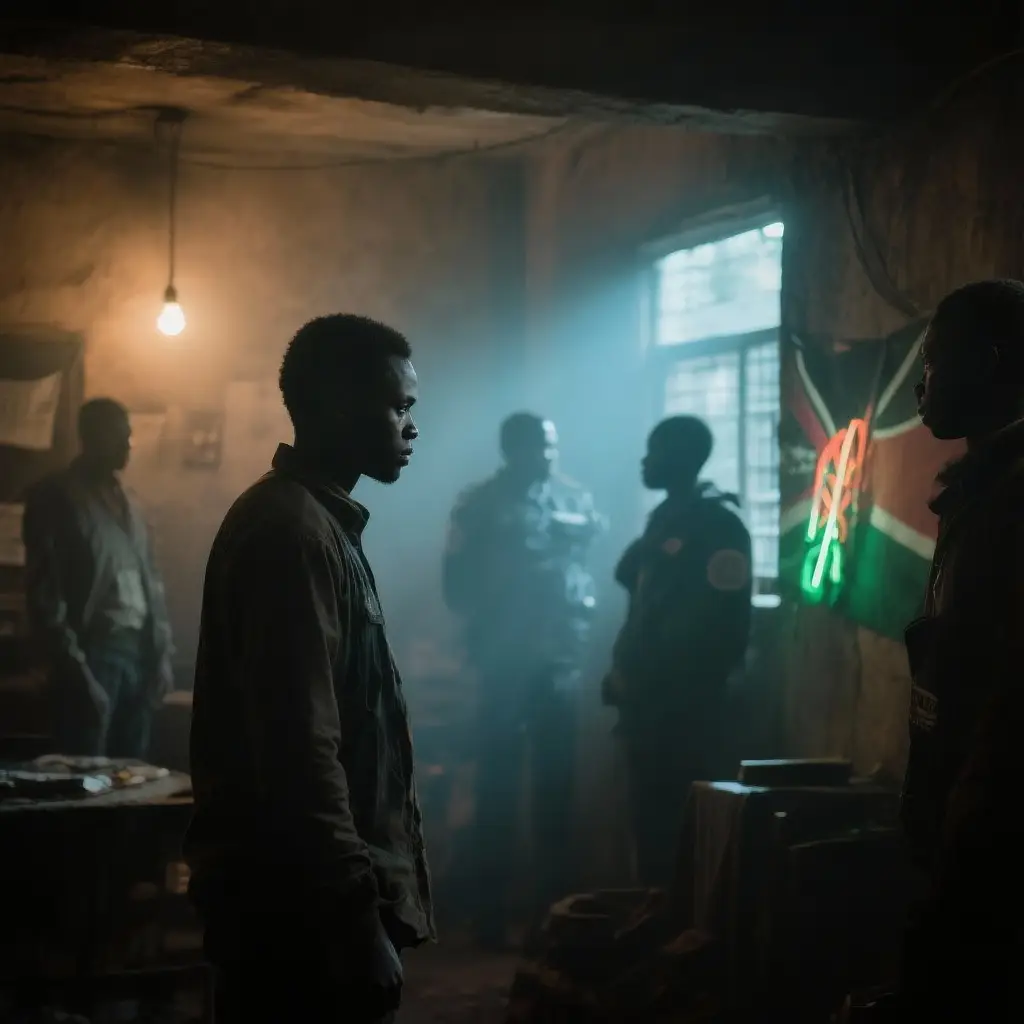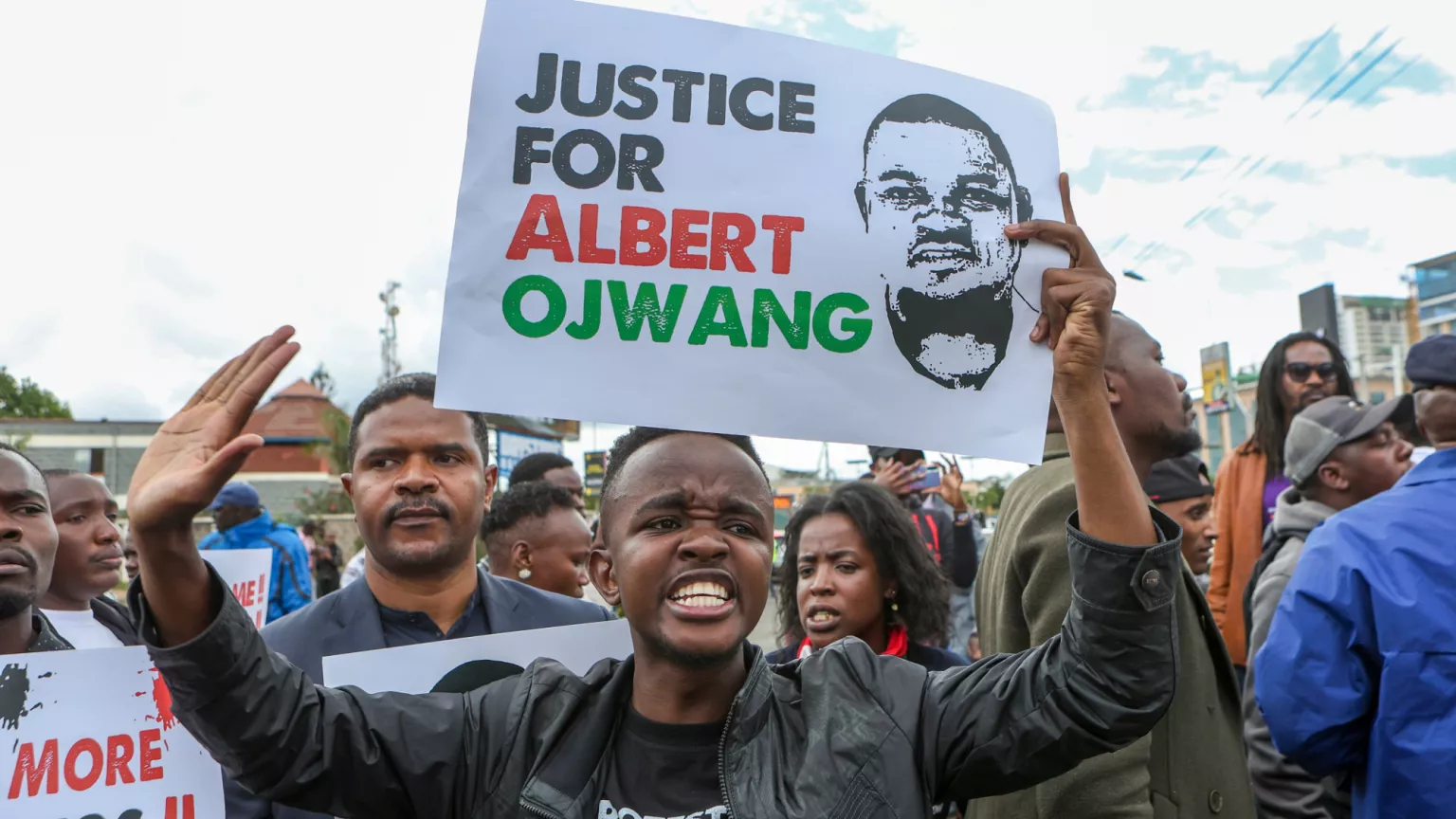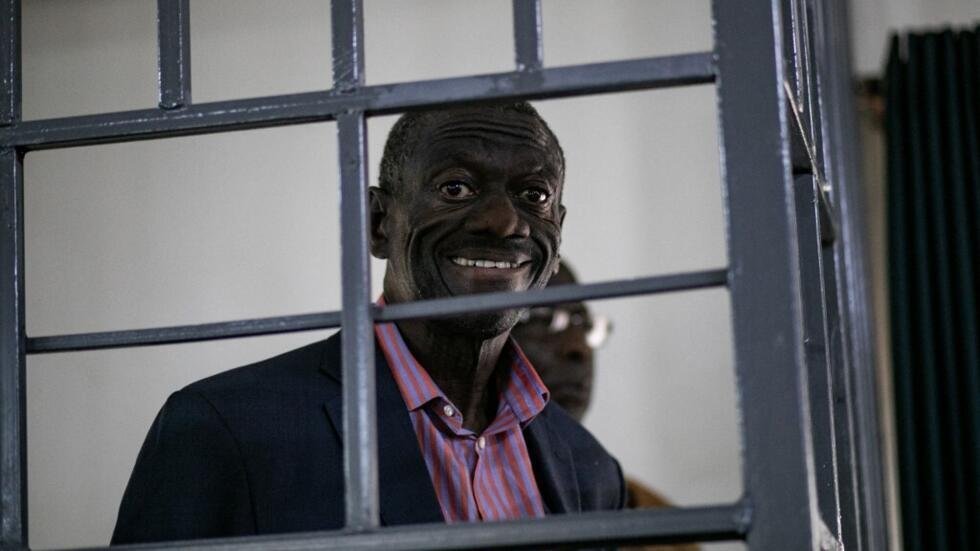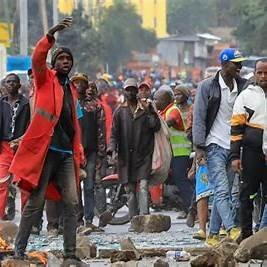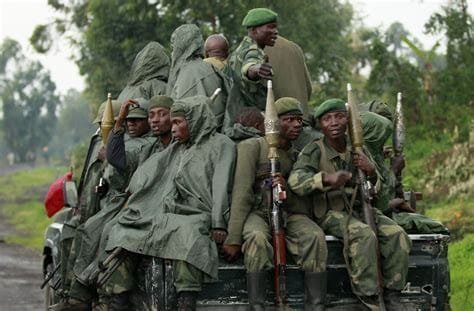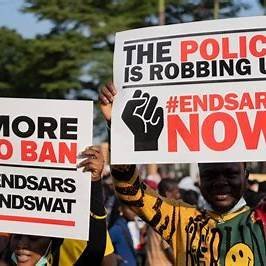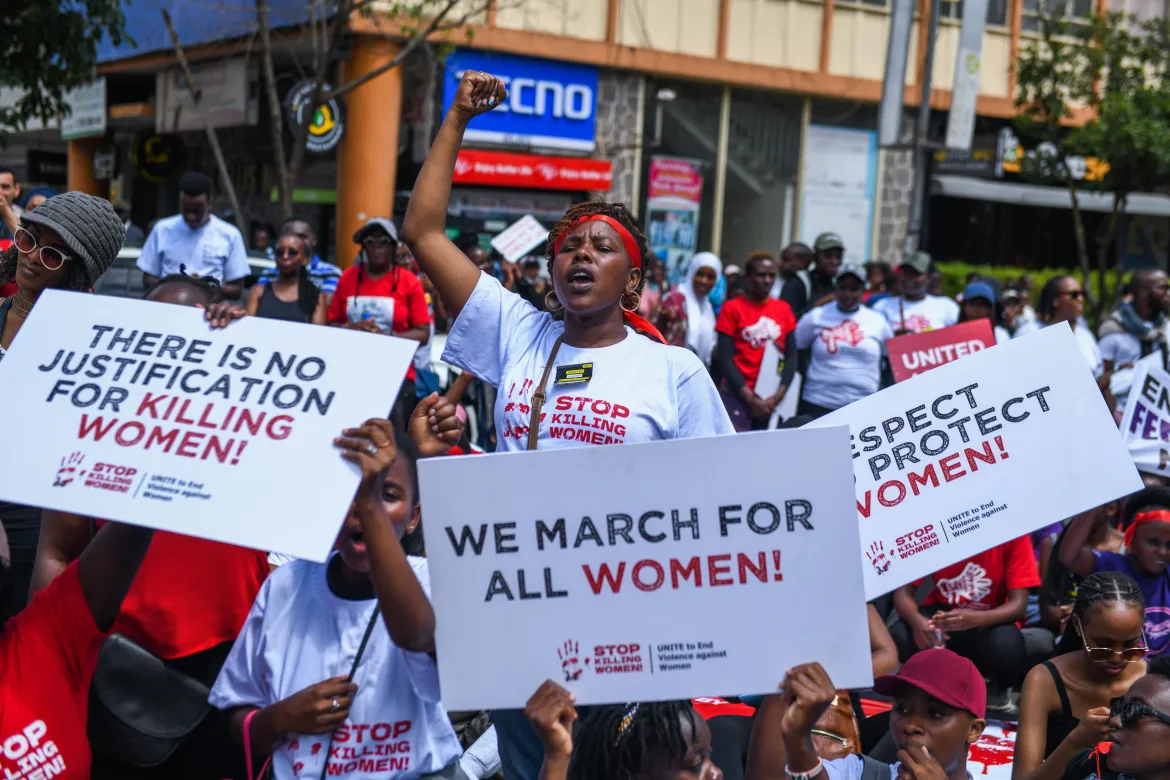
Across East Africa, a familiar pattern emerges: young people take to the streets demanding accountability, and governments respond with force, surveillance, and fear. From Kenya’s Gen Z protests against the Finance Bill to Uganda’s youth activists challenging corruption, states are deploying extraordinary resources to silence voices that, on the surface, simply ask for better governance.
Youth Movements & State Repression in East Africa
Across East Africa, a familiar pattern emerges: young people take to the streets demanding accountability, and governments respond with force, surveillance, and fear. From Kenya’s Gen Z protests against the Finance Bill to Uganda’s youth activists challenging corruption, states are deploying extraordinary resources to silence voices that, on the surface, simply ask for better governance.
Why Are States So Threatened by Youth-Led Movements?
Youth-led movements carry an inherent moral clarity that established political actors cannot easily discredit. When young people—many voting for the first time, some not yet of voting age—demand transparency and accountability, they expose the bankruptcy of entrenched systems. They haven’t been compromised by decades of political patronage. They speak without the baggage of tribal or party loyalty. This moral high ground terrifies those in power because it cannot be bought, threatened, or negotiated away.
Digital Mobilization Bypasses Traditional Control
For decades, African governments controlled dissent through traditional gatekeepers: media houses, opposition parties, civil society organizations. Youth movements, organized through social media and encrypted platforms, bypass these chokepoints entirely. A single hashtag can mobilize thousands within hours. A live-streamed protest reaches millions without passing through editorial filters. This decentralized power structure makes youth movements nearly impossible to co-opt or control through conventional means.
Economic Desperation Fuels Fearlessness
Today’s African youth inherit economies characterized by unemployment, inflation, and shrinking opportunities. In Kenya, youth unemployment hovers around 67%. In Uganda and Tanzania, underemployment is endemic. When you have nothing to lose, tear gas and police batons become tolerable risks. This economic desperation translates into political fearlessness—perhaps the most dangerous quality any activist can possess in an authoritarian context.
Challenging the Social Contract
Youth movements fundamentally question the post-independence social contract. They reject the narrative that stability requires sacrificing freedom, that development justifies dictatorship, that patience is a virtue when survival is at stake. They demand immediate accountability in systems designed for gradual change. This impatience threatens not just individual leaders but entire governance structures built on deference and hierarchy.
The Threat of Example
Perhaps most threatening is what successful youth mobilization represents: proof that change is possible. When Kenyan youth forced the government to withdraw the Finance Bill, they demonstrated that power can be challenged. When a single protest movement crosses ethnic and regional divides, it threatens the divide-and-rule strategies that keep authoritarian systems afloat. Success anywhere becomes dangerous everywhere.
States respond to youth movements with such force precisely because they understand what’s at stake. This isn’t about a single policy or bill—it’s about whether citizens can claim agency in systems designed to deny it. The violence of the response reflects the depth of the threat to existing power structures.
At VOCAL Africa, we document this repression not to discourage activism but to honor the courage it takes. We bear witness because the world must know: when states fear their own youth, they reveal their own illegitimacy.

Subscribe to Our Newsletter
Keep in touch with our news & offers
Thank you for subscribing to the newsletter.
Oops. Something went wrong. Please try again later.