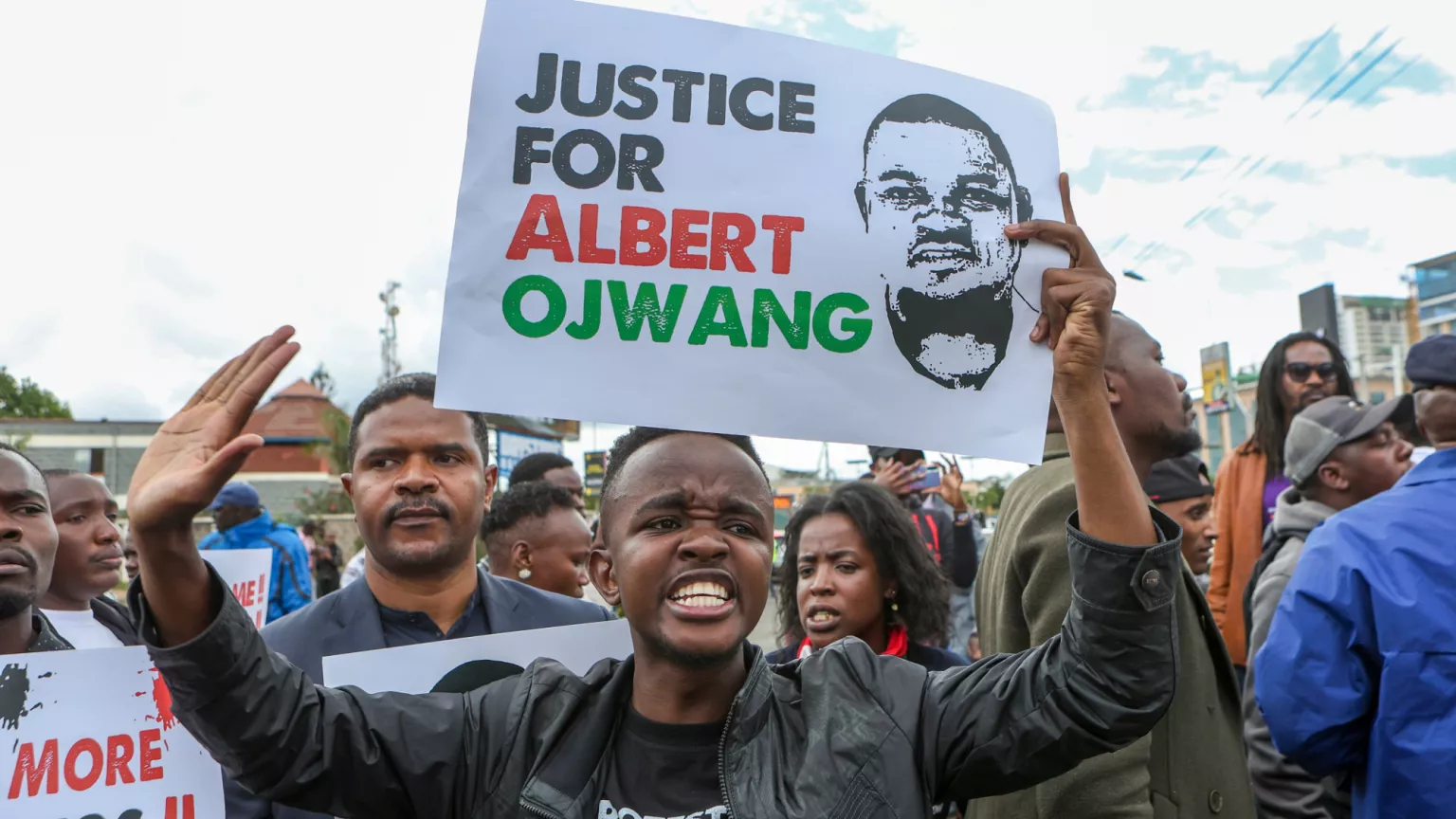
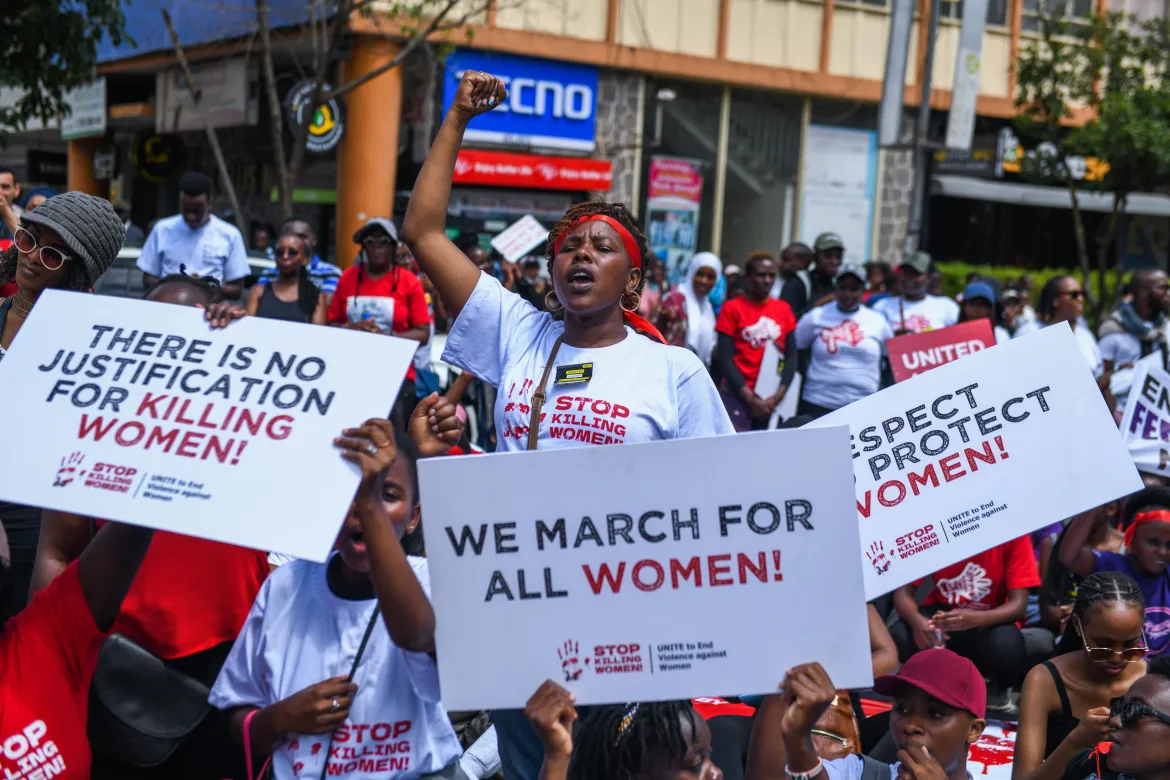
Kenya’s anti-terrorism framework was created to protect the public from extremist threats. Recent cases, however, show a troubling misuse of these laws to intimidate protesters and human rights defenders. From the youth-led Gen Z protests to local community mobilisation, activists have increasingly found themselves treated as national security threats instead of citizens exercising constitutional rights.
Legal aid organisations have documented multiple cases where individuals arrested during protests were booked under broad anti-terror provisions. In several instances, detainees were denied access to lawyers or held for prolonged periods without charge. This pattern not only violates Kenya’s own legal safeguards but also undermines the intention behind counter-terrorism policy.
Human rights observers argue that the vagueness of certain clauses in the Prevention of Terrorism Act (PTA) allows authorities to interpret dissent as destabilisation. The recent attempts to prosecute peaceful protesters under these laws underscore the scale of the challenge.
The consequences extend far beyond the courtroom. Being labelled a “terror suspect” carries lifelong stigma, security surveillance, travel restrictions, and risk of targeted harassment. Activists report that such charges are used strategically to intimidate communities into silence.
VOCAL Africa calls for an immediate review and amendment of all counter-terror provisions that can be misapplied against citizens exercising their constitutional freedoms.
A democratic nation cannot criminalise dissent. Counter-terrorism must not become a cover for repression.