Ahead of a series against the Mets, Rodríguez, a Seattle Mariners rookie, is leading the majors in steals. As his offense has picked up, his running has slowed down.

November 20, 11:17 AM

Ahead of a series against the Mets, Rodríguez, a Seattle Mariners rookie, is leading the majors in steals. As his offense has picked up, his running has slowed down.
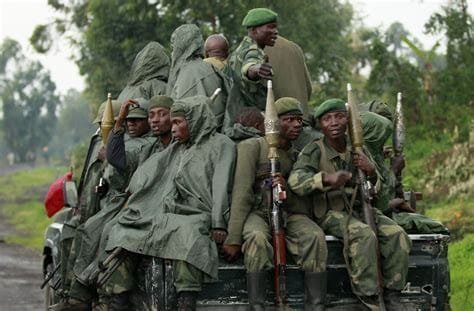
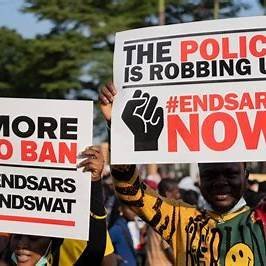
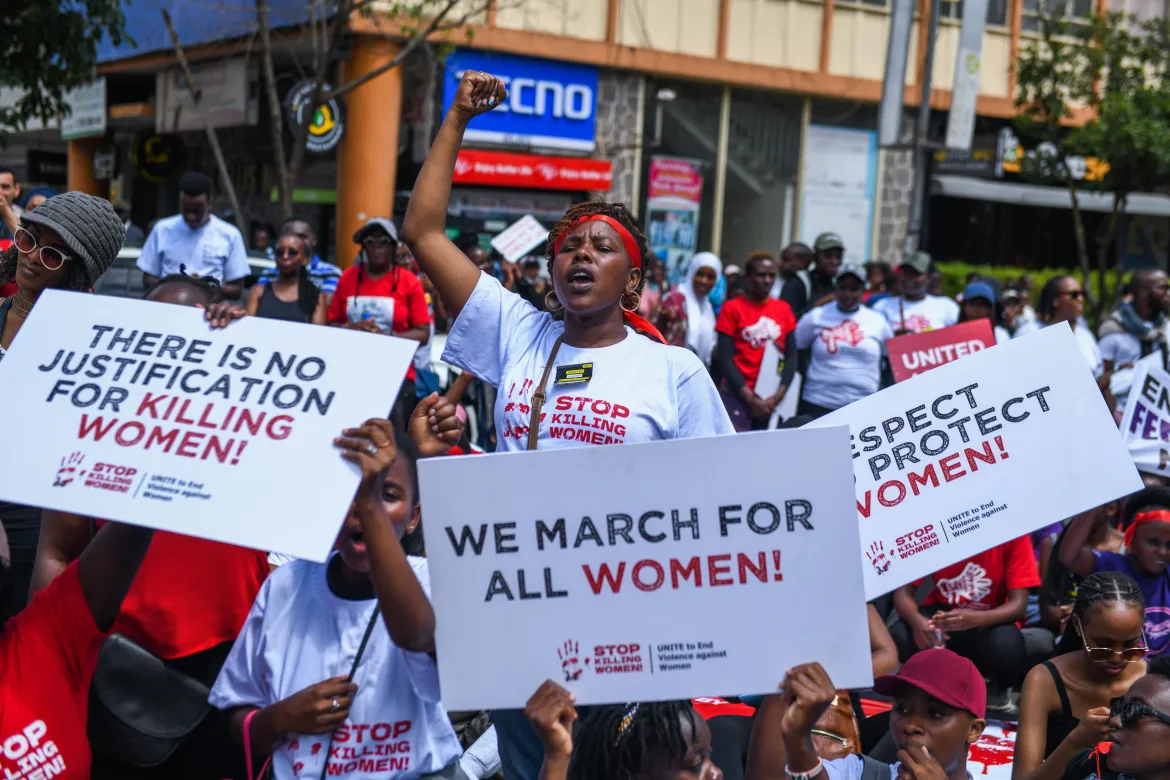
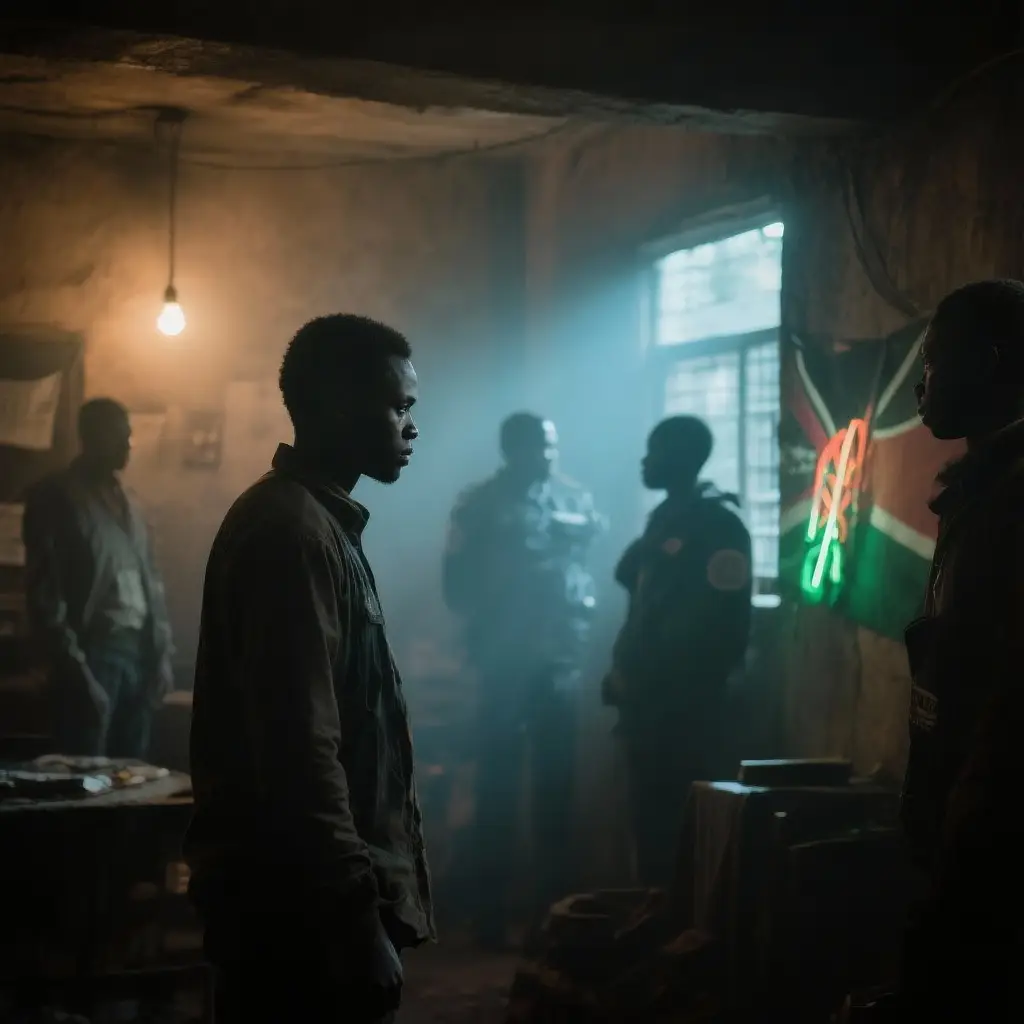
Across East Africa, the ability to organise, protest, and speak freely is approaching a breaking point. From restrictive NGO laws to criminal charges against activists, governments are increasingly treating civic engagement as a threat.
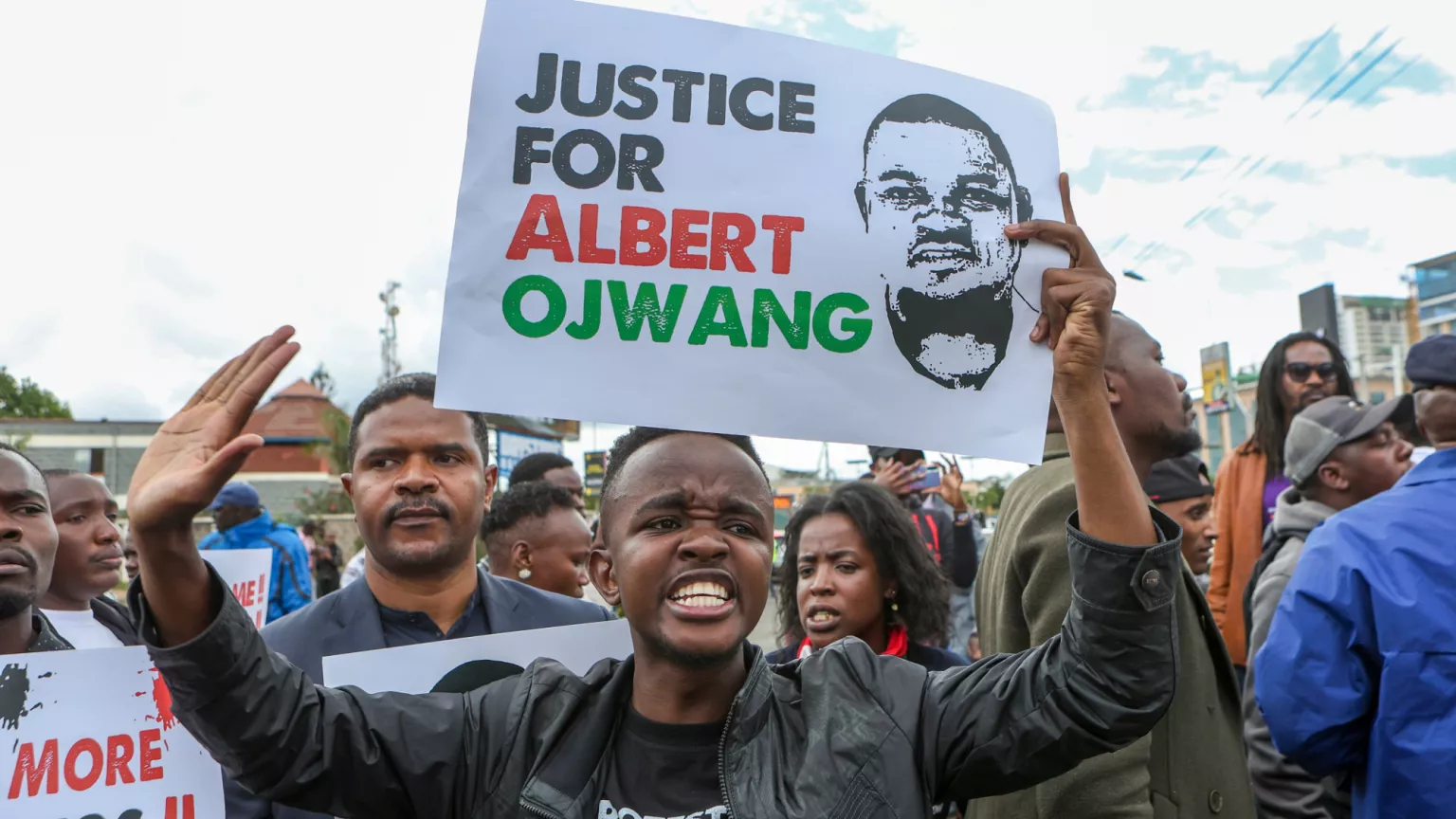
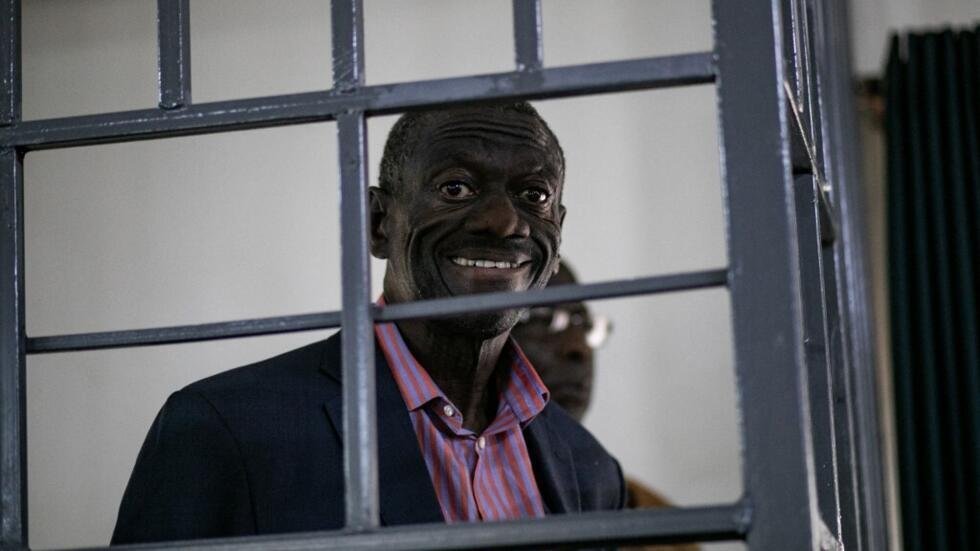
New legal frameworks in several countries require civil society organisations to undergo excessive registration processes or justify their funding sources repeatedly. Activists risk prosecution for “unlawful assembly”, “cybercrime”, or “spreading false information”. Protest organisers have been accused of working with foreign agents, a narrative used to delegitimise legitimate civic work.
In Kenya, activists face surveillance and targeted arrests. In Tanzania, civic organisations continue to report political interference and thought-policing. Uganda’s restrictive laws severely limit NGOs and political gatherings.
This coordinated shrinkage of civic space undermines the entire region’s democratic fabric.
Efforts to decriminalise activism require both legal reform and political will. Governments must remove punitive clauses targeting peaceful assembly, and regional bodies such as the East African Community should hold member states accountable for upholding fundamental freedoms.
VOCAL Africa stresses that dissent is not a crime. A healthy society thrives when citizens participate, question their leaders, and defend their rights without fear of retribution.
Keep in touch with our news & offers
Thank you for subscribing to the newsletter.
Oops. Something went wrong. Please try again later.