Early on the morning of February 24th, Russian President Vladimir Putin announced on state television that Russia will carry out a ‘special military operation’ in eastern Ukraine.
November 20, 11:17 AM

Early on the morning of February 24th, Russian President Vladimir Putin announced on state television that Russia will carry out a ‘special military operation’ in eastern Ukraine.
Across East Africa, mobile phones are lifelines for activists: organizing protests, collecting evidence and telling stories the mainstream media sometimes won’t. But the same networks and data that make activism possible can also be turned into tools of repression. Recent investigations and reports show a worrying pattern: telecoms, state surveillance systems and commercial spyware have been used — directly or indirectly — to locate, monitor, intimidate, arrest and in some cases abduct activists in Kenya, Tanzania and Uganda. Below I summarise the evidence, explain how this happens in practice and offer practical and policy steps civil society and telcos should take now.
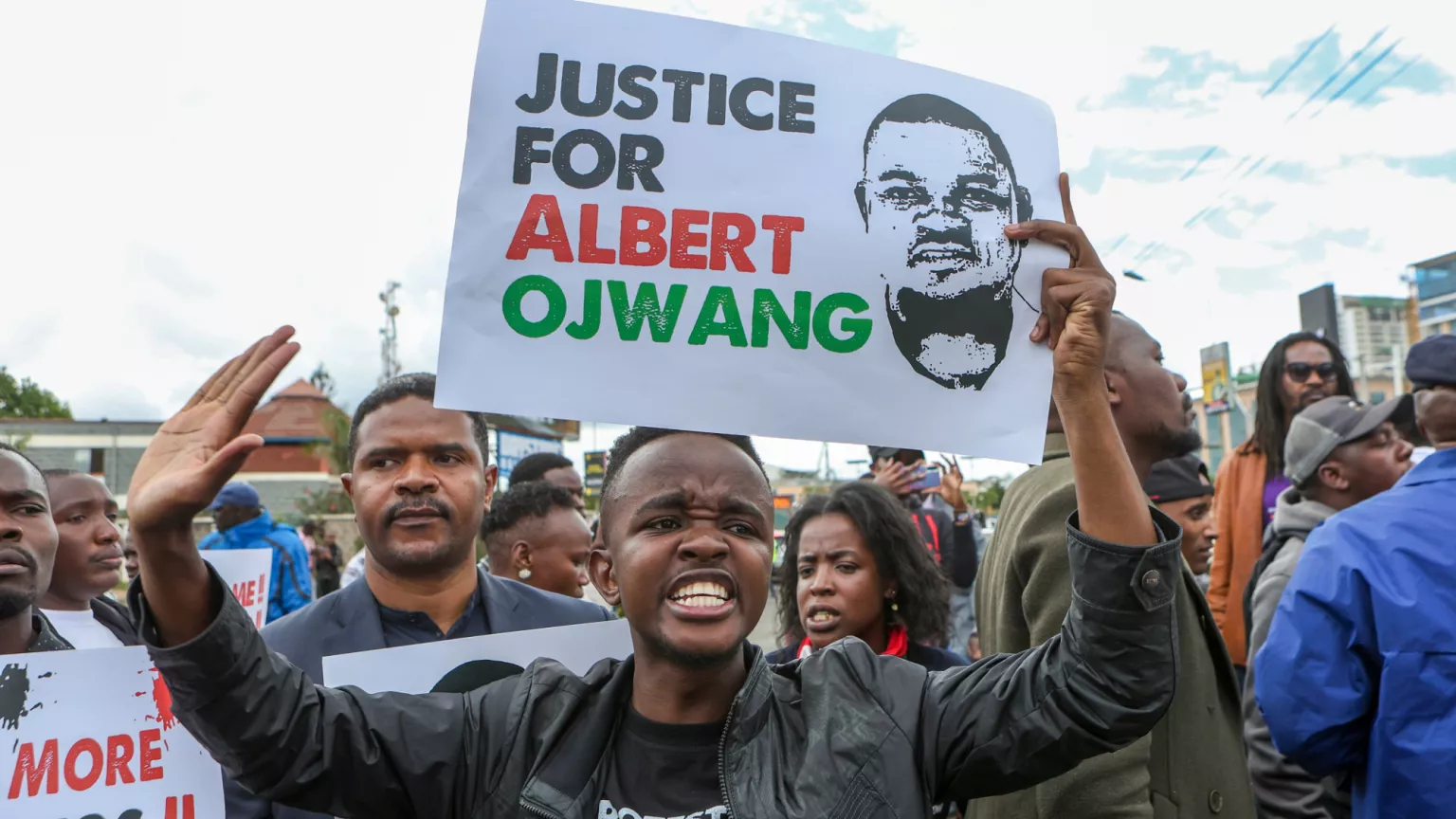
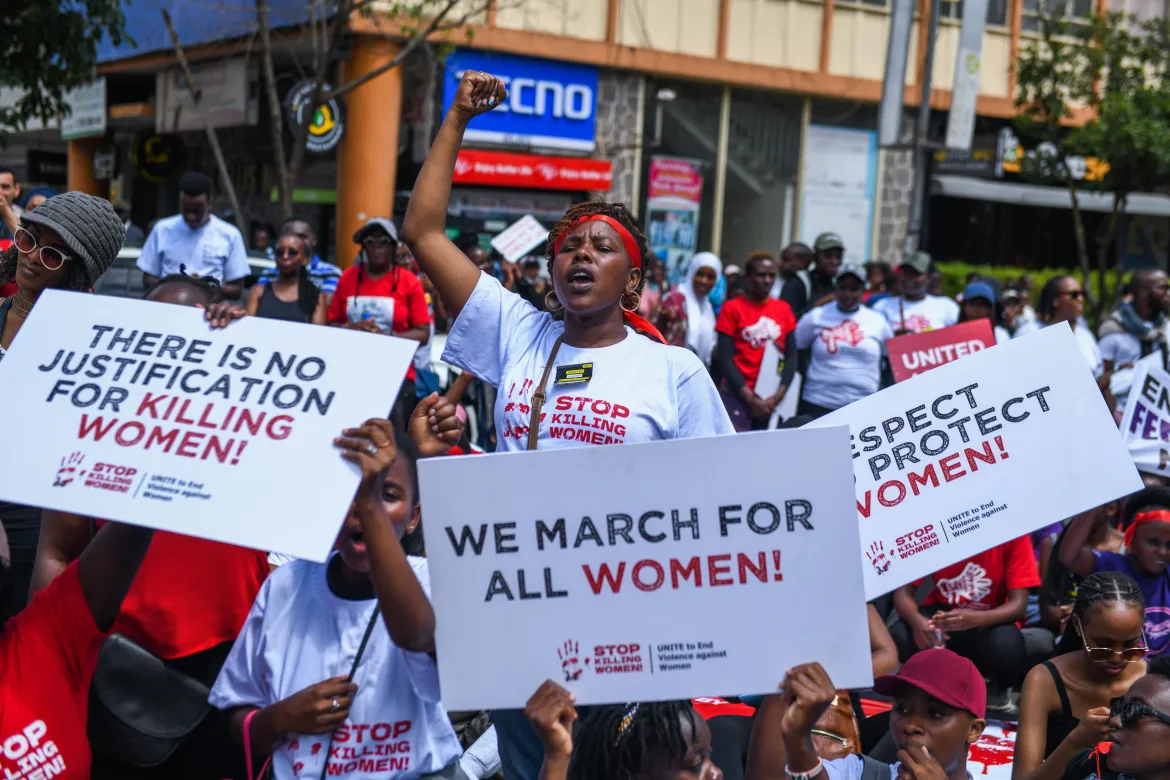
• In Kenya, Amnesty’s November 2025 investigation documents how technology-facilitated violence — including using mobile-phone data and other digital tools — helped security agencies track and target Generation-Z activists during large protests. Survivors and witnesses told researchers that location and communications data played a role in arrests and disappearances. Amnesty International
• Regional civil-society research and country reports (CIPESA, Unwanted Witness and others) document routine practices across East Africa where law-enforcement agencies obtain subscriber records, call-detail records and sometimes real-time location data from telecom operators with minimal legal oversight. These data flows create a predictable pathway from digital trace → identification → arrest/abduction. CIPE
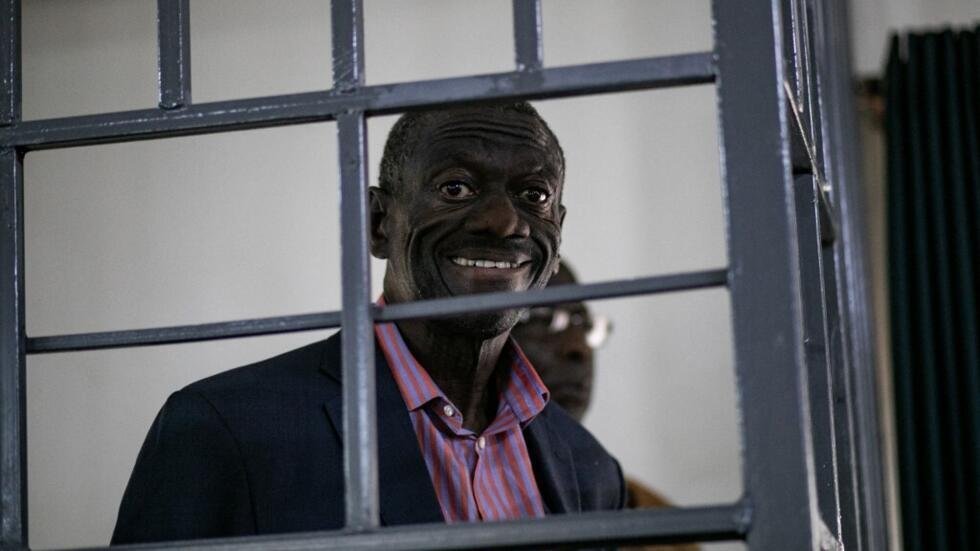
• High-profile litigation and reporting show telecom-level cooperation (or alleged cooperation). In Tanzania a former employee’s testimony and media reporting allege that a major operator provided location data that identified opposition politician Tundu Lissu’s whereabouts in the period preceding an attack.
• Kenyan court decisions and legal debates also highlight how requirements like compulsory IMEI disclosure, loose emergency-access mechanisms and weak enforcement of data-protection rights create openings for abuse. Civil society has successfully challenged some of these practices, but gaps remain.
Telcos store who called whom, when, for how long and which cell sites were used. This metadata can reveal movement patterns and associates even without content. Authorities frequently request or demand CDRs; where oversight is weak, the requests can be broad and secret.
Networks can be queried to get an approximate current location (based on the serving cell or triangulation). When law enforcement obtains real-time location from operators, it can be used to coordinate arrests or worse. Amnesty’s Kenya report documents fears and examples of such use against protesters.
Tools and services (commercial forensic suites and spyware) can extract message contents, photos, contacts and location histories. There are documented cases globally and regionally of phones being accessed in custody or targeted with spyware; forensic access can be used to map networks of activists.
Controlling a SIM lets an actor receive OTPs, intercept messages, or simply confirm a person’s phone presence in a place. Leaked or coerced cooperation between insiders and state actors has been alleged in some countries.
These mimic cell towers and can capture IMSI/IMEI identifiers and traffic metadata from nearby phones. Their clandestine use by state actors has been documented in multiple African contexts.
Kenya (Gen-Z protests, 2024–2025): Amnesty’s field research documents tech-facilitated tactics used against young protesters; interviewees linked instances of tracking and arrests to state access to mobile data and networked surveillance. The report calls out specific harms (harassment, disappearances) and names telecom-level vectors among the mechanisms used.
Tanzania (opposition figures): Media reporting and court testimony have alleged that a telecom operator shared location data used to trace a politician targeted in an assassination attempt. Whether by design or coercion, the case highlights how operator data can endanger political actors.
Uganda (systemic risks): Civil-society audits and privacy scorecards show telcos often lack strong privacy safeguards and are subject to state requests with limited transparency — a structural vulnerability activists face when their metadata is treated as easily accessible.
(Note: these are harm-reduction steps — always adapt to your context and legal environment.)
Minimise metadata exposure: Use burner phones or separate devices for sensitive organising (recognising trade-offs). Avoid repeatedly using a single phone for all organising that could build a location/profile over time.
Operational security (OpSec): Limit group admin lists on platforms, prefer ephemeral messaging features for sensitive operational messages, and compartmentalise tasks so a single compromised account doesn’t expose the whole network.
Encrypt and secure endpoints: Use end-to-end encrypted apps for message content (Signal, where available) — but remember encryption of content doesn’t hide metadata; actor still learns that two phones communicated and when.
Device hygiene: Keep OS and apps updated, avoid plugging devices into unknown chargers/computers, and be wary of phone access while in custody — insist on legal protections and documentation if detained.
Legal & advocacy actions: Push for transparency reports from telcos, challenge unlawful data-sharing in court, and advocate for strict warrants and judicial oversight on any access to metadata/location. Use documented cases to pressure telcos and regulators.
Transparency reports: Telcos should publish regular, independent transparency reports detailing government and law-enforcement requests (number, legal basis, type of data).
Strict legal thresholds and oversight: Legislatures and courts must ensure access to metadata and location is subject to clear legal standards, prior judicial authorization where possible, and remedy mechanisms. Kenyan legal challenges (e.g., IMEI registration rulings) show courts can protect privacy.
Accountability for misuse of commercial spyware and forensic tools: Governments and telcos must not outsource state surveillance without strict human-rights safeguards. Independent audits of procurement and use are essential.
Support civil-society digital resilience: Donors should fund secure comms training, digital-rights litigation and technical audits of telecom privacy practices.
Telecom infrastructure is dual-use: it connects communities and enables mobilisation, but without strong legal protections, oversight, and telco accountability it also becomes a vector for repression. The pattern across Kenya, Tanzania and Uganda is clear: when states can access telecom data with little transparency or redress, activists pay the price. Pushing telcos to publish transparency reports, strengthening legal oversight and investing in activist digital security are urgent steps to reduce harm.

Keep in touch with our news & offers
Thank you for subscribing to the newsletter.
Oops. Something went wrong. Please try again later.