East African governments have constructed a sophisticated legal framework that provides a veneer of legitimacy to political repression:



1
East African governments have constructed a sophisticated legal framework that provides a veneer of legitimacy to political repression:
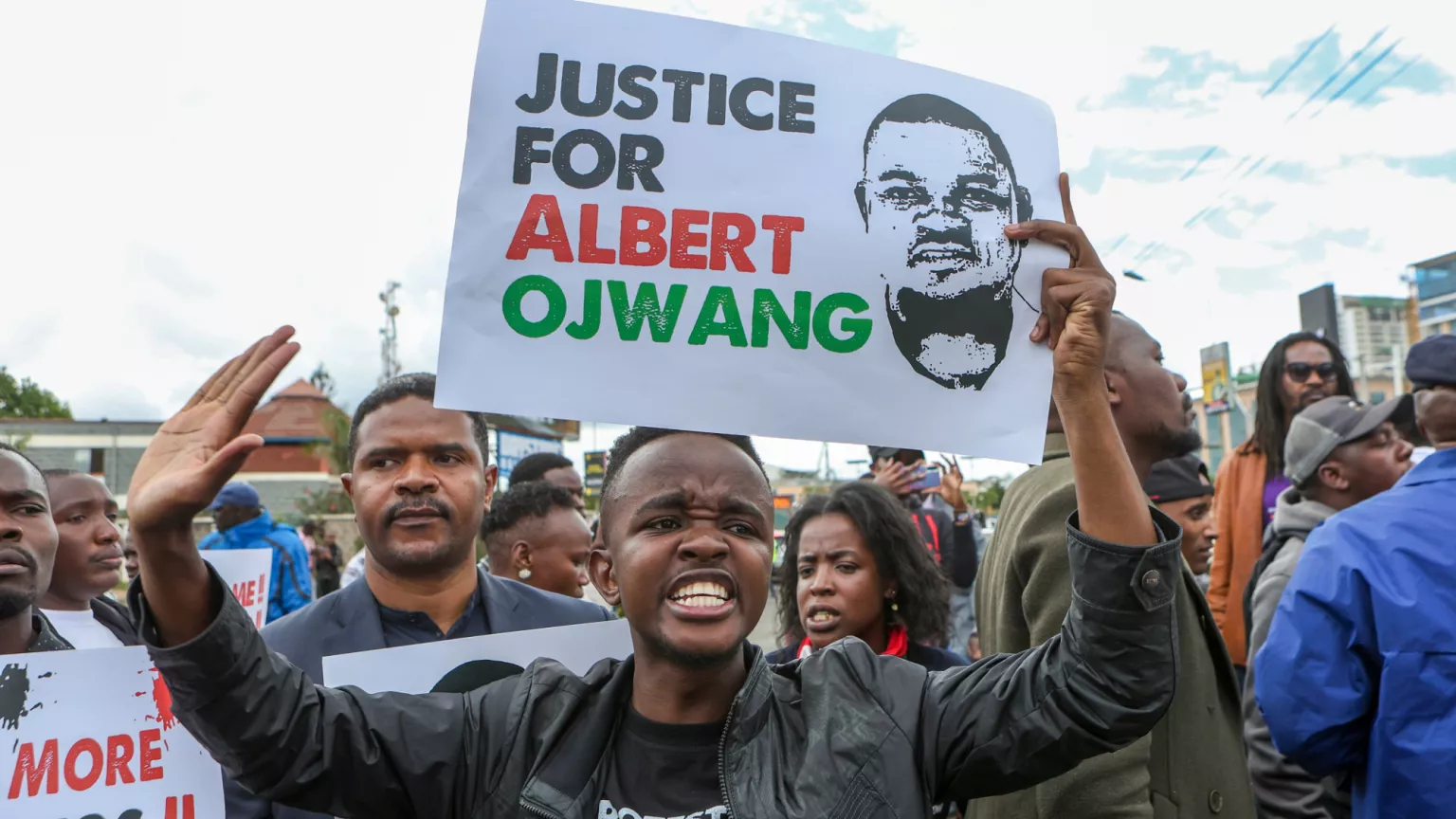
In February 2024, Kenyan police arrested five young activists under the Prevention of Terrorism Act. Their crime? Organizing a peaceful protest through WhatsApp groups. In Uganda, dozens of National Unity Platform supporters face terrorism charges for social media posts. Tanzania’s Cybercrimes Act has imprisoned journalists for “spreading false information” that challenged government narratives. Across East Africa, laws ostensibly designed to protect citizens from violence have been systematically weaponized to criminalize dissent.
The pattern is clear and calculated: use the broad language of security legislation to transform democratic participation into criminal conspiracy, turning activists into “terrorists” and civic engagement into “threats to national security.”
The Legal Architecture of Repression
East African governments have constructed a sophisticated legal framework that provides a veneer of legitimacy to political repression:
Deliberately Vague Definitions: Anti-terrorism laws define terrorism so broadly that virtually any protest activity can be captured. “Threatening national security,” “undermining constitutional order,” “causing economic disruption”—these phrases can mean anything prosecutors want them to mean. When Kenyan youth protests forced businesses to close during the Finance Bill demonstrations, authorities described it as “economic sabotage.” When Ugandan activists called for a march, it became “inciting violence.”
Reversal of Burden of Proof: Under normal criminal procedure, the state must prove guilt. Under terrorism laws, defendants often must prove their innocence. Simply being in a WhatsApp group where someone else posted a call to protest can make you liable for “conspiracy to commit terrorism.” The legal standard shifts from “innocent until proven guilty” to “suspicious until proven safe.”
Exceptional Powers for Security Forces: These laws grant police and intelligence services extraordinary powers—detention without charge for extended periods, surveillance without warrants, raids without court orders. In practice, this means activists can be held for weeks before seeing a lawyer, their phones seized and searched without judicial oversight, their homes raided based purely on “intelligence.”
Harsh Mandatory Sentences: Terrorism convictions carry severe penalties—often life imprisonment or death sentences. This creates enormous pressure for plea bargains and guilty pleas even when charges are fabricated. Facing the prospect of life in prison, many activists accept lesser charges just to end the ordeal, even when they’ve committed no crime.
How It Works in Practice
The process of weaponizing these laws follows a predictable pattern:
Case Studies: Terrorism by Any Other Name
The WhatsApp Conspiracy: In Kenya, police arrested activists who were part of a WhatsApp group planning the June 2024 Finance Bill protests. The evidence? Screenshots of messages saying “let’s meet at Uhuru Park” and “bring water and snacks.” This was characterized as “conspiracy to commit terrorism” because the protest “intended to cause economic disruption.” All charges were eventually dropped, but only after weeks in detention and international pressure.
The Twitter Terrorists: Uganda has charged dozens of opposition supporters with terrorism for social media posts. One young woman faced terrorism charges for tweeting criticism of the President. Her tweet contained no calls for violence, no threats—just political criticism. She spent six months in prison before being released on bail. Her trial continues years later.
The Journalistic Threat: A Tanzanian journalist investigating corruption in mining contracts was charged under terrorism laws for “threatening national economic interests.” His crime? Publishing factual information about how contracts awarded to foreign companies disadvantaged local communities. He fled the country to avoid arrest.
Why This Strategy Works
The weaponization of anti-terrorism laws is particularly insidious because it:
Legitimizes Repression: Governments can claim they’re not targeting dissent—they’re protecting national security. This plays well domestically and provides cover internationally.
Exploits Post-9/11 Frameworks: The global “war on terror” created international support for expanded security powers. East African governments leverage this, knowing Western countries won’t strongly criticize anti-terrorism measures given their own similar laws.
Silences Through Fear: Unlike mass arrests which can galvanize movements, selective terrorism charges create uncertainty. Anyone could be next. The legal consequences are catastrophic. Self-censorship becomes rational self-preservation.
Fragments Movements: When key organizers face terrorism charges, movements must decide: continue and risk more arrests, or pause and abandon those already detained. Either choice weakens collective action.
The International Dimension
These laws don’t exist in isolation—they’re part of regional and international legal frameworks that East African governments manipulate:
Mutual Legal Assistance Treaties: Countries share intelligence and coordinate prosecutions under anti-terrorism frameworks. This means activists who flee Uganda for Kenya aren’t safe—their information has already been shared across borders.
International Training and Support: Western governments and international organizations have trained East African security forces in “counter-terrorism” methods. These skills are now deployed against peaceful activists.
FATF Compliance Pressure: The Financial Action Task Force’s requirements for combating “terrorist financing” have been used to freeze bank accounts of civil society organizations and activists, cutting off funding for legitimate advocacy work.
What Needs to Change
At VOCAL Africa, we call for:
Immediate Reforms:
Structural Changes:
International Accountability:
Keep in touch with our news & offers
Thank you for subscribing to the newsletter.
Oops. Something went wrong. Please try again later.

Thank you for subscribing to the newsletter.
Oops. Something went wrong. Please try again later.