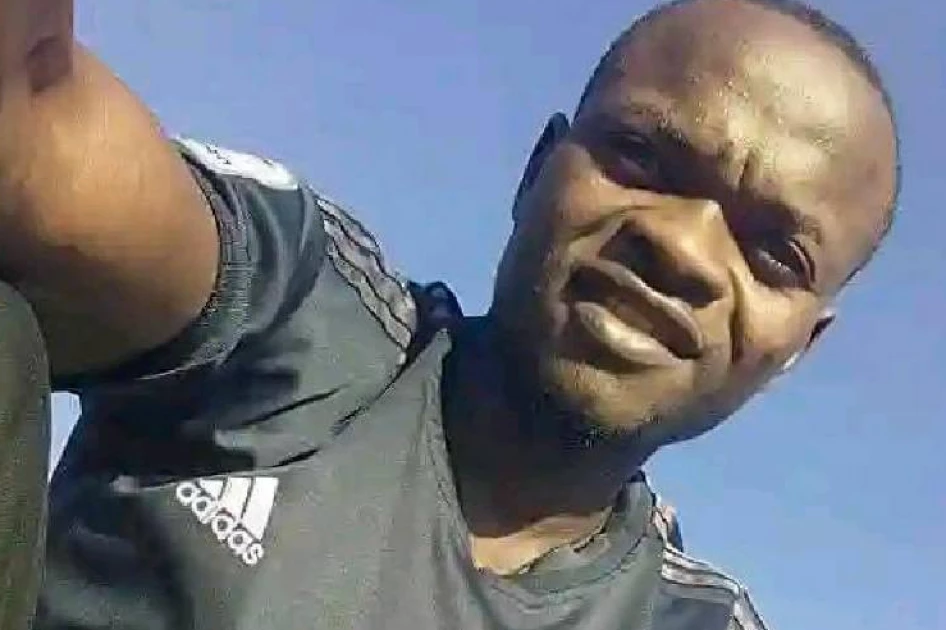
Mercy Mumbua sits in her living room in Nairobi, her phone within constant reach. It’s been eight months
since her son disappeared after a protest. He reappeared after eleven days—traumatized, unable to talk
about what happened, jumping at sudden sounds. But the disappearance never really ended. Strange cars
park outside their home. Her phone makes odd clicking sounds during calls. Her younger son was
“randomly” stopped and searched three times last month. She’s lost her job—too many days off searching,
too much “negative attention” for her employer’s comfort.
Mercy’s question haunts families across East Africa: “What does justice look like when the state is still
watching us?”
At VOCAL Africa, we work with families navigating this impossible terrain—seeking accountability for
past harm while living under ongoing surveillance and threat. Their experiences reveal uncomfortable
truths about justice in contexts where the state itself is the perpetrator.
Justice Delayed, Justice DeniedTraditional justice—criminal accountability, truth commissions, reparations—requires state cooperation
or at least state neutrality. But when the state committed the harm and continues to threaten victims, these
mechanisms become almost inaccessible.
Families filing habeas corpus petitions face courts that move at glacial pace—if they move at all. By the
time a case is heard, the victim has often been released, making the petition “moot.” Criminal complaints
against security forces disappear into bureaucratic black holes. Investigations are promised but never
materialize. Officers are “reassigned” but never charged.
Meanwhile, families face immediate retaliation. Speaking publicly about what happened brings fresh
surveillance. Pursuing legal action can trigger new disappearances. One mother in Uganda told us: “They
made it clear—keep pushing for accountability, and we take your other son next. What am I supposed to
do?”
This is justice in a hostage situation. And the hostages are still being held.
Surveillance as Ongoing Punishment
Even when victims return, the disappearance continues through surveillance. Families describe:
Unmarked cars parked outside homes
Phone lines that suddenly have echo or clicking sounds
Being followed to meetings, medical appointments, children’s schools
Social media accounts being hacked or monitored
Friends and colleagues being questioned about them
“Random” security checks that are anything but random
This surveillance serves multiple purposes: it reminds families they’re still vulnerable, it deters them from
seeking accountability, it isolates them socially (who wants to visit someone under state surveillance?),
and it gathers intelligence on activist networks.The psychological toll is immense. Parents describe constant hypervigilance—is that car following us?
Should we talk about this on the phone? Is it safe to attend that memorial event? Children grow up
understanding that their family is watched, that danger is present even if invisible.
This is state-sponsored PTSD. And it’s deliberate.
What Families Actually Need
When we ask families what justice would look like, their answers reveal needs far more immediate than
criminal trials:
Safety First: “I need to know my other children won’t be taken.” “I need the surveillance to stop.” “I need
to be able to move without fear.” Safety isn’t abstract—it’s being able to send your child to school without
terror, being able to sleep without jumping at every sound.
Acknowledgment: “Just admit you took him. Stop lying.” For many families, the first step toward justice
isn’t punishment—it’s truth. Public acknowledgment that yes, state agents detained this person, yes, it
happened, yes, you were lied to. That acknowledgment validates their experience and restores their sense
of reality after weeks of being told they’re wrong, confused, or lying.
Medical and Psychological Support: Victims return with physical injuries and profound trauma. But
seeking treatment is complicated—will doctors report to authorities? Can therapists be trusted? Is it safe
to document injuries that might be evidence of state torture? Families need access to care that’s both
competent and secure.
Economic Stability: Disappearances destroy family finances. Parents lose jobs searching for their
children. Legal fees mount. Breadwinners return too traumatized to work. “Justice” that doesn’t address
the family’s economic collapse isn’t justice—it’s another form of abandonment.
Social Reintegration: Victims and families face stigma. Are they troublemakers? Are they under
surveillance? People distance themselves for self-protection. One victim told us: “I came back, but I came
back alone. All my friends are afraid to be seen with me.” Justice must include pathways back into
community.Guarantees of Non-Repetition: Families want structural changes that prevent this from happening to
others. Not just punishment for what was done to them, but transformation of the systems that make
disappearances possible.
Alternative Justice Mechanisms
Because traditional justice remains largely inaccessible, families and civil society have developed
alternative accountability mechanisms:
Documentation Projects: Organizations like VOCAL Africa create detailed records of disappearances.
When state courts won’t act, civil society builds the evidence base for future accountability—whether in
five years or twenty.
Community Truth-Telling: In the absence of official truth commissions, communities create spaces for
victims to share their experiences. These gatherings provide acknowledgment, validation, and collective
witnessing—all crucial for healing.
Regional Advocacy: When domestic courts fail, families take cases to regional human rights bodies like
the African Court or East African Court of Justice. These processes are slow but offer possibilities for
accountability outside compromised national systems.
Mutual Aid Networks: Families support each other materially and emotionally, creating safety nets where
state support should exist but doesn’t. These networks become forms of resistance—refusing to let the
state isolate victims.
Strategic Publicity: Making disappearances visible internationally increases costs for governments. Every
documented case, every family testimony, every media story chips away at impunity.
The Long Road
Justice for families living under surveillance requires thinking in terms of decades, not months. It means:
Building evidence now for accountability later
Creating support systems that outlast individual casesMaintaining international pressure even when domestic avenues close
Protecting families even as they seek justice
Accepting that full justice may not come in this political moment—but working to ensure it becomes
possible in the next
What We Can Do
At VOCAL Africa, we believe justice begins with solidarity. We:
Document every case, creating an undeniable record
Provide secure legal and psychological referrals
Amplify family voices without increasing their risk
Build regional networks so families aren’t isolated
Advocate for systemic reforms that address root causes
Push for international accountability when domestic systems fail
But we also recognize the limits of what organizations can provide when the threat is ongoing and state
power is overwhelming. Real justice requires:
Political will to reform security sectors
Independent judicial systems willing to challenge state violence
International consequences for governments that disappear their citizens
Economic support for families destroyed by state repression
Cultural shifts that value accountability over stability
Regional cooperation to end cross-border impunityRedefining Justice
Perhaps the most important insight from families is this: justice isn’t one thing. For some, it’s seeing
officers prosecuted. For others, it’s simply being able to tell their story without fear. For many, it’s
ensuring this never happens to another family.
Justice in contexts of ongoing repression can’t wait for perfect conditions. It happens in small acts of
resistance: families who continue speaking out despite surveillance, victims who testify despite trauma,
communities that refuse to forget, organizations that keep documenting when courts won’t act.
It happens when a mother like Mercy, despite everything, still answers her phone—still advocates, still
demands answers, still refuses to let her son’s disappearance be normalized. That refusal is itself a form of
justice: the assertion that what happened was wrong, that acknowledgment matters, that families deserve
safety and truth.
A Message to Families
If you’re living in the aftermath of a disappearance, navigating surveillance and fear while seeking
accountability, please know:
Your need for safety doesn’t make you less brave
Protecting your family while seeking justice isn’t cowardice—it’s wisdom
The pace you choose for advocacy is the right pace
You’re not alone in this impossible balance
Your story matters, even if courts won’t hear it yet
Justice delayed isn’t always justice denied—sometimes it’s justice deferred to a moment when it
becomes possible
A Message to the International Community
Families living under state surveillance can’t seek justice alone. They need:Embassy support and protection
International documentation of ongoing harassment
Economic assistance through secure channels
Platforms to share their stories safely
Pressure on governments to end surveillance of victims
Long-term commitment beyond immediate crisis moments
Justice for families navigating disappearances and surveillance is complex, incomplete, and often
frustratingly slow. But it’s not impossible. Every documented case, every protected family, every moment
of international attention makes future accountability more likely.
At VOCAL Africa, we commit to the long road. We walk it with families who deserve justice but are
forced to survive in its absence. We document for the day when courts will finally listen. We advocate for
systems that protect rather than threaten. And we refuse to accept that state terror should ever be
normalized.
Because justice begins when someone says: this is wrong, this matters, and I will not stop demanding
better.
And we will not stop