Topics:

What Makes Gen Z Activism Fundamentally Different from Previous Movements

Traditional opposition parties found themselves
sidelined. Civil society organizations that had led previous movements scrambled to understand their role.

Something fundamentally new was happening in East African activism—and it’s reshaping the entirelandscape of political accountability.


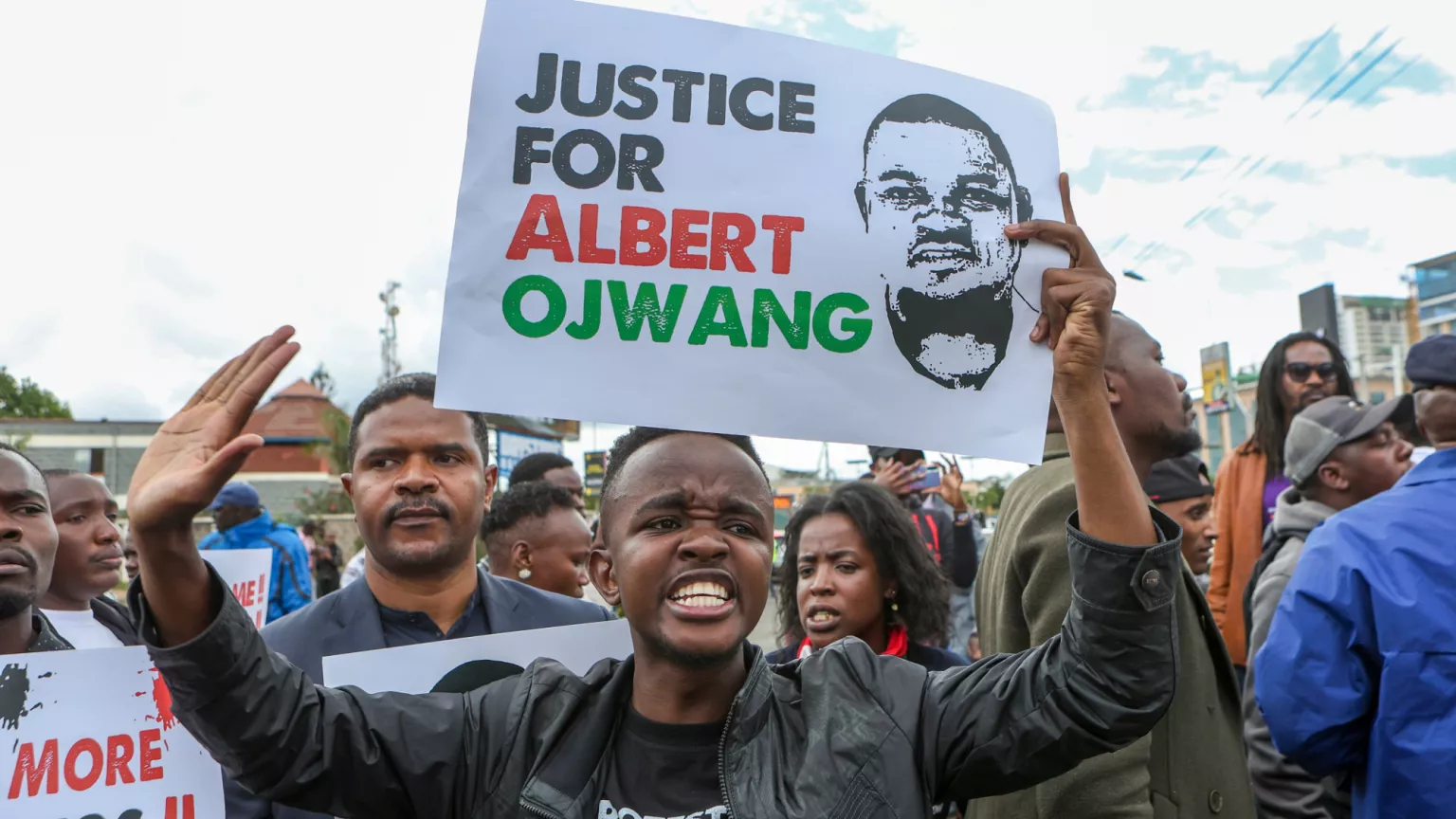
Watching Kenya’s Gen Z protests unfold in June 2024 felt like witnessing a paradigm shift. Political

analysts struggled to categorize what they were seeing. Traditional opposition parties found themselves

sidelined. Civil society organizations that had led previous movements scrambled to understand their role.

Something fundamentally new was happening in East African activism—and it’s reshaping the entire

landscape of political accountability.

Leaderless by Design, Not by Default

Previous movements in East Africa typically coalesced around charismatic leaders—Raila Odinga in

Kenya, Kizza Besigye in Uganda, Tundu Lissu in Tanzania. Gen Z activism deliberately rejects this

model. There are no figureheads to arrest, no leaders to intimidate or co-opt. When authorities detained

activists during Kenya’s protests, the movement didn’t collapse—it multiplied. This horizontal structure

isn’t an accident; it’s a sophisticated response to decades of watching leaders compromised, threatened, or

absorbed into the systems they once challenged.

Digital Native Organization

This isn’t simply about using social media—every modern movement does that. Gen Z activists are digital

natives who understand the internet’s architecture intuitively. They use encrypted communications,

decentralized coordination, and algorithmic awareness to stay ahead of surveillance. When the Kenyan

government tried to shut down internet access during protests, activists had already distributed VPN

instructions and backup communication channels. They livestream police brutality in real-time, creating

immediate international accountability. They crowdfund legal fees through mobile money before arrested

activists even reach the station.

Beyond Ethnic and Tribal Politics

East African politics has long been organized around ethnic identity and patronage networks. Gen Z

activism transcends these divisions in unprecedented ways. During Kenya’s Finance Bill protests, you

saw Kikuyu, Luo, Kalenjin, and coastal youth protesting side by side—not despite their differences, but in

explicit rejection of ethnic politics as a framework. They’ve created a new identity: “Kenyan youth” or

“East African youth” defined by shared economic precarity rather than tribal affiliation. This threatens the

very foundation of how political power has been contested and maintained in the region.

Economic Grievance as Primary Identity

While previous generations organized around political freedom, democratic reform, or constitutional

change, Gen Z’s primary organizing principle is economic survival. They’re not asking for representation

in a system that works—they’re challenging a system that has categorically failed to deliver economic

opportunity. This makes their demands harder to satisfy with symbolic reforms. You can’t placate them

with positions in government or promises of future inclusion when the fundamental ask is: “We need to

be able to eat, work, and survive.”

Radical Transparency and Accountability

Gen Z activists document everything. Police violence is livestreamed. Government officials’

contradictions are archived and replayed. Public spending is crowd-sourced and audited. They’ve created

a culture of radical transparency that makes previous forms of political maneuvering obsolete. When

Tanzania’s government claimed certain arrests never happened, activists produced timestamped evidence

within hours. This real-time accountability fundamentally changes the cost-benefit analysis of state

repression.

Global Solidarity, Local Autonomy

Unlike pan-African movements of the past that operated through formal organizations and conferences,

Gen Z activism maintains local autonomy while building global solidarity through digital networks. A

tactic that works in Nairobi is adapted in Kampala within days. Legal strategies are shared across borders.

When one country’s activists face crackdowns, others amplify their voices internationally. This creates a

regional movement that’s both deeply local and globally connected—resilient because it has no single

point of failure.

The Long Game

Perhaps most significantly, Gen Z activists think in terms of permanent mobilization rather than single

issue campaigns. They’re not organizing around an election cycle or a specific bill. They’re building

sustained capacity for accountability—teaching digital security, creating mutual aid networks, developing

alternative media ecosystems. They understand that transforming power structures requires more than

moments of protest; it requires building parallel systems of solidarity that can outlast any single

confrontation with the state.

This isn’t your parents’ activism. Gen Z has fundamentally reimagined what political mobilization looks

like in digitally connected, economically precarious, post-ethnic societies. And governments across East

Africa are still trying to figure out how to respond to a movement that exists everywhere and nowhere,

led by everyone and no one, demanding everything and refusing to negotiate

Subscribe to Our Newsletter

Keep in touch with our news & offers

Thank you for subscribing to the newsletter.

Oops. Something went wrong. Please try again later.

Leave a Reply

Your email address will not be published. Required fields are marked *